Smileline: A Handwritten Font for Web Design
While working on a boutique online store, I found myself searching for a font that could add a personal touch to the brand’s digital presence. Smileline, a cute handwritten font from Script Amp, caught my eye. It felt right for the store’s aesthetic—modern yet warm, playful but professional.
Testing Smileline in the hero section of the homepage was the first step. The font’s soft curves and slightly irregular strokes gave the text a handcrafted feel, which aligned perfectly with the store’s focus on artisanal products. It didn’t overpower the design, but it added character without being distracting.
Visual Characteristics and Digital Appeal
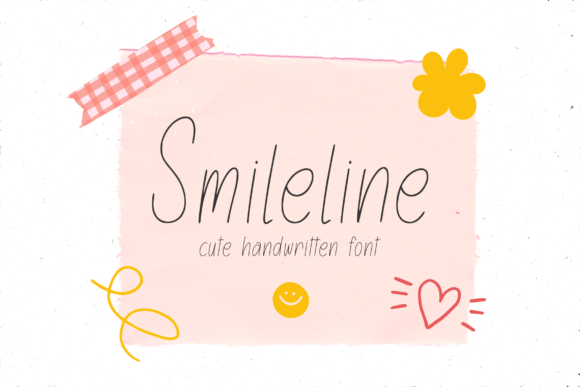
Smileline has a friendly, approachable personality. Its style is reminiscent of casual handwriting, making it ideal for projects that want to feel authentic and human. The font’s mood is light and cheerful, which can help build trust with users looking for a more personal connection with a brand.
From a visual standpoint, Smileline works well in digital layouts where a bit of warmth is needed. It’s not overly ornate, so it doesn’t clash with modern design trends. The font’s digital appeal lies in its versatility—it can be used in headers, buttons, or even as a decorative element in background graphics.
Real-World Applications
On a coaching website, Smileline could be used for headlines that introduce new courses or services. Its readability on screens made it a good choice for short phrases like “Start Your Journey” or “Transform Your Life.” In a product landing page, it could highlight key benefits or unique selling points in a way that feels engaging rather than formal.
For a creative portfolio, Smileline might appear in project titles or taglines. It adds a personal flair without overwhelming the viewer. On a blog header, it could draw attention to featured posts or categories, creating a more dynamic layout.
Readability and User Experience
One of the first things I checked was how Smileline performed on mobile screens. Its legibility was good at larger sizes, but I avoided using it for body text. On small buttons or dark backgrounds, the font’s thin strokes could become hard to read, so I paired it with a simpler sans serif for contrast.
When placed over an image banner, Smileline maintained clarity, especially when using a semi-transparent overlay. This made it a solid choice for call-to-action areas where the message needed to stand out without competing with the background.
Best Use Cases
Smileline excels as a display font. It’s best suited for headings, logos, and short phrases that need a distinctive look. For example, in an online shop banner, it could be used to highlight seasonal promotions or limited-time offers. As a decorative accent, it adds visual interest without compromising usability.
It also works well in social media graphics, where a handwritten touch can make content feel more relatable. In a digital brand kit, Smileline could be used for logo design or marketing materials that require a personal, handmade feel.
Font Pairing and Design Integration
Pairing Smileline with a clean, neutral typeface like a sans serif helps balance its whimsical nature. This combination is great for landing pages where the goal is to guide the user through a process without overwhelming them. For editorial designs, pairing it with a serif font could create a more refined, traditional look.
I found that using Smileline sparingly kept the design from feeling cluttered. It worked best when used as a focal point rather than a background element. When designing a course sales page, I used it for the headline and a few supporting lines, while keeping the rest of the text in a more readable font.
Technical Considerations
Before implementing Smileline on a website, I checked its webfont availability and file formats. It was available in standard web formats, which made it easy to integrate into the site’s CSS. The font also included alternates and weights, giving me flexibility in different design scenarios.
Support for multiple languages was important for the store’s international audience. Smileline handled Latin characters well, and I didn’t notice any issues with diacritics or special symbols. For commercial use, the licensing terms were clear and allowed for use on websites, client projects, and digital templates.
Final Thoughts
Smileline is a valuable addition to any designer’s toolkit. Its charm and versatility make it suitable for a wide range of digital projects. Whether you’re building a creative portfolio, launching a boutique online store, or redesigning a blog, Smileline can help you create a more engaging and memorable brand experience.
As a web designer, I appreciate fonts that bring personality to a layout without sacrificing usability. Smileline does exactly that, offering a fresh, modern take on handwritten typography that feels both authentic and professional.